

 All THCA Flower
 All THCA Pre-Roll









 Spend & Save: Get 10% off orders $100+ | 15% off orders $150% | 20% off orders $200+




2025 Guide: Weed Pen Laws by State (USA)

Key Takeaways
- Laws Are Hyper-Local: Cannabis vape regulations in 2025 change drastically from one state to another, and even between cities. What’s permitted in one place may carry significant penalties just across the border.
- Federal vs. State Conflict: While many states have legalized cannabis for medical or adult use, it remains federally restricted. This creates a legal gray area, especially for interstate travel.
- Hemp-Derived vs. Marijuana-Derived: The source of the THC in your vape pen matters. Products derived from hemp (with ≤0.3% Delta-9 THC by dry weight) may have a different legal status than marijuana-derived products, but this is not always the case.
- Travel Requires Caution: Traveling with a weed pen, particularly by air, comes with risks. TSA’s primary focus is security, but they are obligated to report suspected violations of federal law to local authorities.
- Verification is Key: To stay compliant, always verify the most current laws for your specific location and destination. Purchasing from vendors who provide transparent Lab Test Results (COAs) can also offer peace of mind.
Are weed pens legal where you’re going next? In 2025, the rules may change by zip code, making it crucial for consumers to stay informed. The landscape of cannabis vape regulations in the USA is a complex patchwork of state and federal laws, where allowances and penalties can vary dramatically. This guide is designed to help you understand the state-specific rules for weed pens, but please remember, it is for informational purposes only and does not constitute legal advice. For specific guidance, consulting a legal professional is always the best course of action. You can review our full Legal Disclaimer for more information.
Weed Pens 101: Understanding the Legal Distinctions
Before diving into state laws, it’s important to clarify what a “weed pen” is. The term generally refers to a vaporizer designed for consuming cannabis extracts. However, the law often makes a critical distinction based on the source of the cannabis:
- Marijuana-Derived Vapes: These contain extracts from the marijuana plant and typically have THC concentrations that place them under stricter state cannabis laws.
- Hemp-Derived Vapes: These products are made from industrial hemp and, under the 2018 Farm Bill, are federally permissible if they contain no more than 0.3% Delta-9 THC by dry weight. This has led to the popularity of cannabinoids like Delta-8 THC, though some states have moved to regulate or ban them specifically. You can find more details in our guide, Is THC Legal in My State (Updated 2025).
The core of the legal confusion stems from the conflict between federal and state frameworks. While the federal government still classifies marijuana as a Schedule I controlled substance, dozens of states have legalized it for medical or recreational use, creating their own regulatory systems for products sold at a local CBD pharmacy.
The Federal Landscape in 2025
Despite widespread state-level legalization, the federal government’s stance remains largely unchanged. The key reference point is still the 0.3% Delta-9 THC threshold for hemp. Any cannabis product exceeding this limit is considered marijuana and is federally illegal. Furthermore, the PACT (Prevent All Cigarette Trafficking) Act has been expanded to include electronic nicotine delivery systems (ENDS), which impacts how vape products, including those for cannabis, are shipped and sold online, often requiring strict age verification. At Cannabis Pharmacy, we are committed to compliance and transparency, a core part of Our Story.
Navigating Travel with a Weed Pen
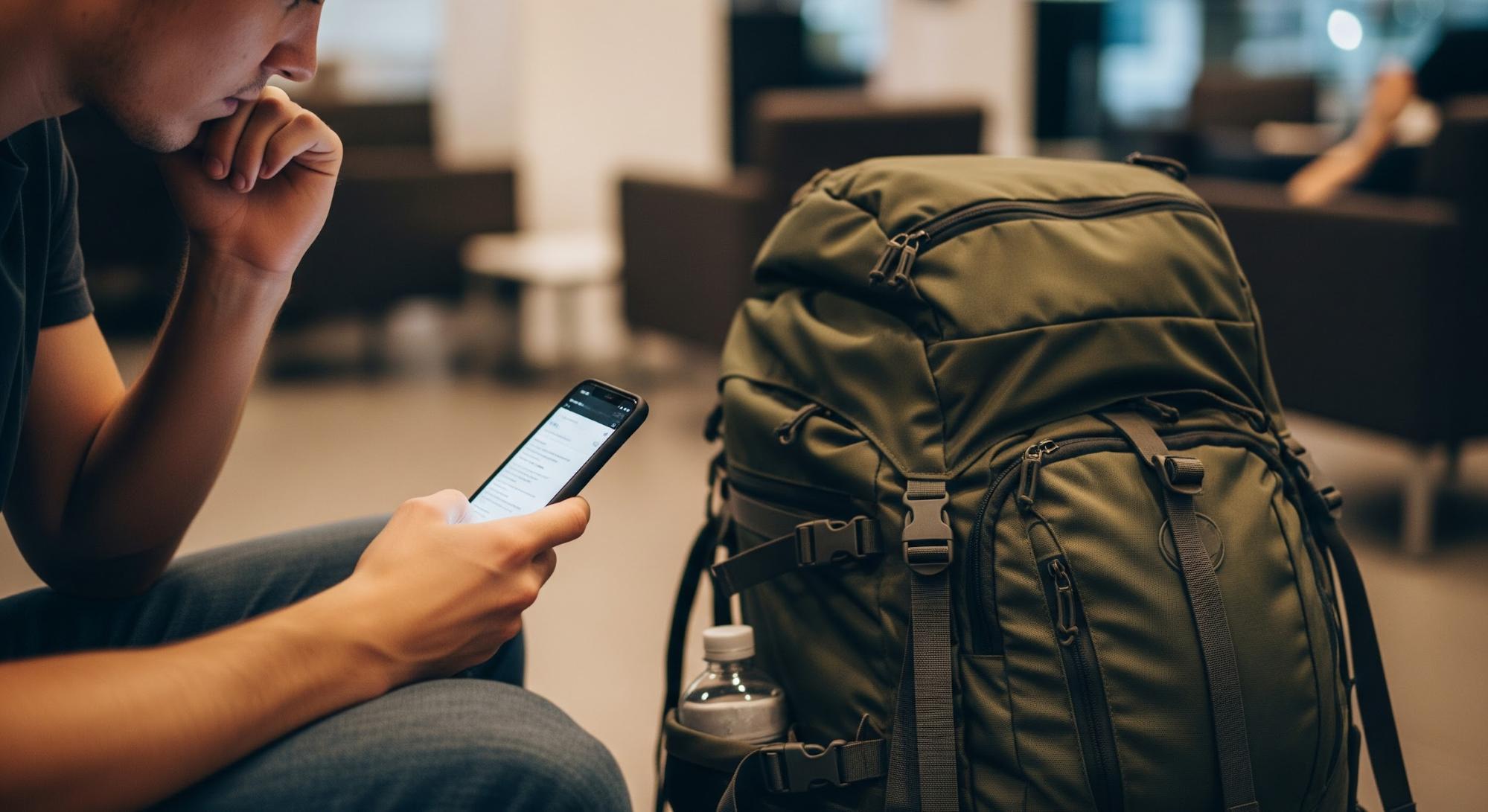
Traveling with a weed pen is one of the most common areas of confusion. Here’s what you need to know:
- Crossing State Lines: Driving from a legal state to a non-legal state with a cannabis vape pen could expose you to federal jurisdiction and the laws of the state you are entering. This applies even if you are traveling between two legal states.
- Airports and TSA: The Transportation Security Administration (TSA) states its screening procedures are focused on security threats, not discovering illegal drugs. However, if they discover a substance that appears to be cannabis, they are required by federal law to notify local law enforcement. It’s a risk many travelers are unwilling to take.
- Public Consumption: Even in states where cannabis is legal, there are almost always strict rules against public consumption. Using a vape pen in parks, on sidewalks, in hotels, or on federal property (like national parks) is typically prohibited and can result in fines.
The safest approach is always to research your destination’s rules before you pack and to never assume the laws are the same as your home state. If you have questions, our FAQ page may provide additional insights.
Vape Pen Laws: A Regional Snapshot
Cannabis laws are constantly evolving. This regional overview provides a general sense of the legal climate in 2025, but you should always verify the specific laws of any state you plan to visit.
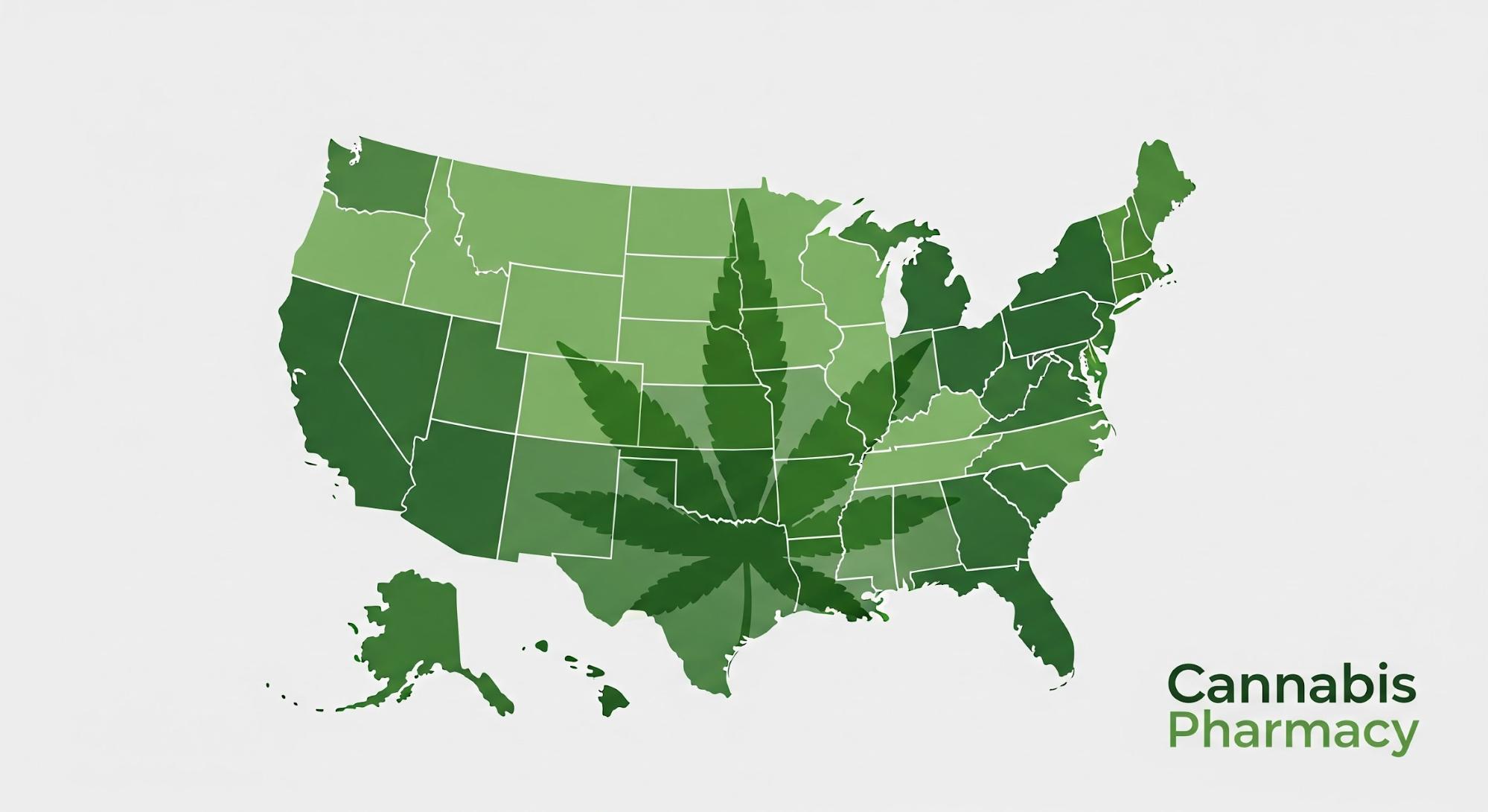
- The West (California, Washington, Oregon, Nevada): This region is known for its well-established adult-use cannabis markets. Weed pens are generally legal for adults over 21. However, local municipalities may have their own restrictions on where products can be purchased and consumed. Possession limits, potency, and labeling are tightly regulated.
- Mountain/Southwest (Colorado, Arizona, New Mexico): Similar to the West Coast, these states largely permit adult-use cannabis. They have robust regulatory systems that include stringent testing and packaging requirements. Utah remains an exception, with a medical-only program.
- The Midwest (Illinois, Michigan, Missouri): This region is a mix of medical and adult-use markets. States like Illinois and Michigan have thriving recreational scenes, while others like Ohio are transitioning. Public consumption rules and possession limits for vapes are strictly enforced. User reports suggest that even in legal states, it’s wise to carry products in their original packaging.
- The Northeast (New York, New Jersey, Massachusetts, Maine): Most of the Northeast has embraced adult-use legalization. Regulations often focus heavily on consumer safety, with specific rules on advertising, potency, and child-resistant packaging. Public consumption is heavily restricted.
- The South (Florida, Georgia, Texas): This region remains the most restrictive. Most states have narrow medical cannabis programs, if any, and adult-use cannabis remains illegal. Hemp-derived products, like those containing Delta-8, exist in a legal gray area and are treated differently from one state to another. You can learn more by reading our article on Delta-8.
Responsible Purchasing for Peace of Mind
With such a complex legal environment, how you purchase your products matters. Choosing reputable vendors who prioritize compliance can help you stay informed. Look for:
- Age Verification: Legitimate sellers will always have strict age-gating procedures.
- Clear Labeling: Products should be clearly labeled with their contents, including cannabinoid profiles and sourcing information.
- Third-Party Lab Testing: The most important factor for a discerning consumer is access to a Certificate of Analysis (COA) from an independent lab. These reports verify the product’s potency and purity, confirming it is free from harmful contaminants. User reports suggest that having access to COAs is especially valuable when traveling. We proudly feature all our Lab Test Results online.
Selecting products from a trusted source like our online Shop ensures you have access to this critical information. Products like the 3CHI Delta-8 Vape Pod — Pineapple Express come with the transparency that responsible consumers demand.
Your Compass in a Complex World
Navigating the web of weed pen laws requires diligence and a commitment to staying informed. The legal status of THC vape products is not uniform, and the rules of today might not be the rules of tomorrow. Always double-check local and state regulations before purchasing or traveling with any cannabis product. By prioritizing education and choosing transparent, compliant retailers, you can make choices that align with your wellness goals and the law.
Understanding these nuances can feel overwhelming, but you don’t have to figure it all out on your own. If you have questions about product compliance or need help finding lab-tested options, our team is here to provide clarity—feel free to give us a call.
Frequently Asked Questions (FAQs)
Are weed pens legal everywhere in the USA in 2025?
No. Weed pen legality varies significantly by state. While many states permit them for adult or medical use, they remain illegal in others and at the federal level. Always check the laws of the specific state you are in or traveling to.
Can I fly with a weed pen in my luggage?
TSA’s primary role is aviation security, not drug enforcement. However, if they find a substance that appears to be illegal under federal law during a security screening, they are required to report it to law enforcement. Flying with cannabis products carries a significant risk.
What’s the difference between a THC vape and a CBD vape legally?
Generally, a vape derived from hemp containing less than 0.3% Delta-9 THC is treated differently under federal law than a marijuana-derived vape with higher THC levels. However, some states have created their own regulations for all hemp-derived cannabinoids, so the distinction isn’t always clear-cut at the state level.
What are the penalties for having a weed pen in a state where it’s illegal?
Penalties can range from a small fine to significant jail time, depending on the state, the amount you possess, and the specific circumstances. Penalties are often much more severe in states without any form of cannabis legalization.
How can I ensure the vape pen I buy is compliant?
Purchase from reputable retailers who provide transparent, third-party lab test results (Certificates of Analysis, or COAs). These documents verify the cannabinoid content, including the Delta-9 THC levels, and confirm the product is free of contaminants.
