

 All THCA Flower
 All THCA Pre-Roll









 Spend & Save: Get 10% off orders $100+ | 15% off orders $150% | 20% off orders $200+





Why 3Chi Is a Brand You Can Trust: Lab Testing & Quality


Key Takeaways
- Trust Through Transparency: In an unregulated market, brand trust is often built on verifiable transparency, with third-party lab testing being a key indicator of quality.
- The Role of COAs: A Certificate of Analysis (COA) is a vital document that may confirm a product’s cannabinoid potency and purity, screening for harmful contaminants like pesticides and heavy metals.
- 3Chi’s Commitment: 3Chi is often recognized as a reputable Delta 8 brand due to its practice of making lab results easily accessible to consumers, which may foster greater confidence.
- Consumer Empowerment: Educated consumers can verify claims by requesting batch-specific COAs and ensuring the testing lab is independent and credible.
The Currency of Trust in the Cannabis World
Navigating the world of hemp-derived products can feel like exploring a vast, new territory. With the industry’s rapid growth, the landscape is filled with countless options, but it lacks consistent federal oversight. This reality places a significant responsibility on the consumer to be discerning and cautious. So, how can you tell which brands are committed to your well-being? The answer often lies in one word: transparency. Trust isn’t just given; it’s earned through verifiable actions. For many users, this verification comes from rigorous, unbiased lab testing.
Brands that prioritize consumer safety and product quality understand that showing their work is non-negotiable. Among these, 3Chi has emerged as a case study in building a reputation on the foundation of visible testing standards. By making their lab results public, they provide a layer of reassurance that many consumers seek. This article explores why this commitment to third-party testing is crucial and how it has helped position 3Chi as one of the most trusted cannabis companies in the market today.
Why Independent Lab Testing is a Game-Changer
In any industry, quality control is essential. In the context of cannabinoids, it’s paramount. Lab testing serves several critical functions that directly impact the user experience. First and foremost, it may confirm product safety. A comprehensive analysis can detect the presence of harmful contaminants such as pesticides, heavy metals, residual solvents from the extraction process, and microbial impurities. Without this screening, consumers could unknowingly be exposed to harmful substances.
Second, testing verifies potency and purity. It confirms the cannabinoid profile, showing exactly how much Delta 8, CBD, CBN, or other compounds are present. This ensures that the product labeling is accurate and that you are getting what you paid for. For anyone seeking specific effects, knowing the precise cannabinoid breakdown is crucial. When you browse a diverse selection of THC products, you’ll notice that reputable brands always highlight this information.
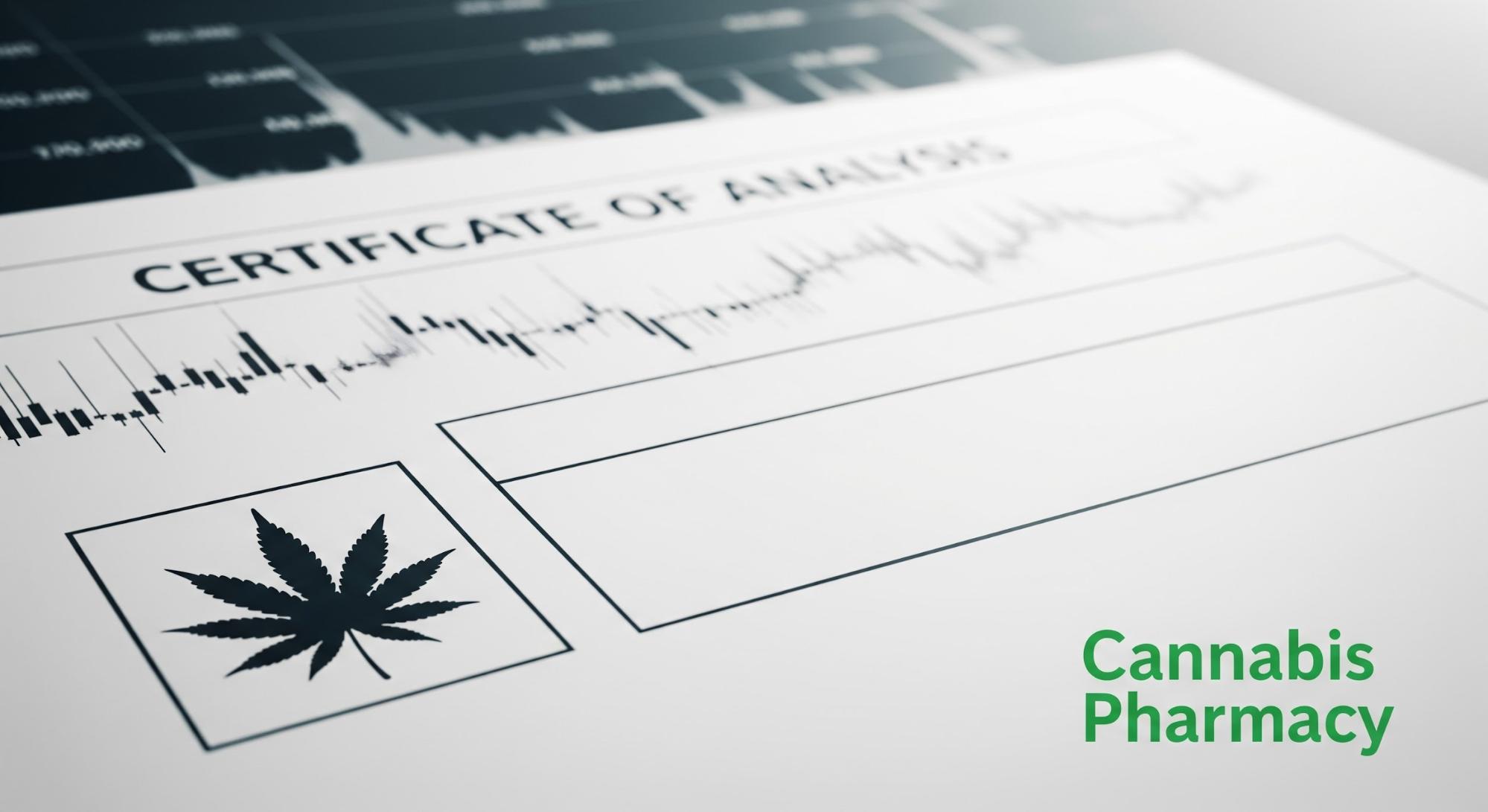
Finally, the “third-party” aspect is what makes the process credible. When a brand uses an independent lab—one with no affiliation to their company—it significantly reduces bias. This practice creates a system of checks and balances, leading to greater consumer confidence. The standard document that details these findings is the Certificate of Analysis (COA), which has become the gold standard for transparent cannabis testing.
3Chi’s Proactive Stance on Transparency
From the beginning, 3Chi has differentiated itself by embracing a culture of openness. Their approach to testing isn’t just about compliance; it’s about consumer education and empowerment. The brand makes its 3Chi lab results easily accessible, often via QR codes on packaging or through their website. This direct access allows any user to view detailed reports for the specific product batch they hold in their hands.
This level of transparency does more than just answer the question, “Is 3Chi safe?” It builds a relationship based on trust. User reports frequently mention the peace of mind that comes from being able to see the data for themselves. Whether it’s a 3Chi Delta 8 THC Tincture or their popular 3Chi True Strains High Potency Gummies Comfortably Numb, the lab-verified cannabinoids in each product are clearly documented. This commitment has helped establish 3Chi’s reputation for quality and reliability in the crowded Delta 8 space. It signals to consumers that the company stands behind its products and has nothing to hide.
How to Read a Certificate of Analysis (COA)
While seeing that a product is third-party tested is a great first step, understanding what you’re looking at is even better. A COA can seem intimidating with all its technical data, but it’s quite straightforward once you know what to look for.
- Header Information: At the top, you should find the name of the lab, the brand that ordered the test (e.g., 3Chi), the product name, and, most importantly, the batch or lot number. This number should match the one on your product’s packaging.
- Cannabinoid Potency: This is often the main section. It will list various cannabinoids (Delta 8 THC, Delta 9 THC, CBD, CBN, etc.) and their concentration, usually shown in milligrams per gram (mg/g) or as a percentage. This confirms the product’s strength and that it complies with the legal limit of 0.3% Delta 9 THC for hemp-derived products.
- Safety & Purity Screens: This is where you’ll find results for contaminants. Look for sections on:
- Pesticides: Ensures the hemp was grown cleanly.
- Heavy Metals: Checks for elements like lead, arsenic, and mercury.
- Residual Solvents: Verifies that no harmful chemicals are left from the extraction process.
- Microbials: Screens for bacteria, mold, and yeast.
A “Pass” or “ND” (None Detected) in these sections is what you want to see. Knowing how to interpret these reports is a powerful tool for anyone interested in safe hemp products.
Building Consumer Trust in the Cannabis Industry
Why do some brands, like 3Chi, stand out among reputable Delta 8 brands? It’s because they understand that long-term success is built on more than just a good product—it’s built on unwavering consumer trust. In an industry where regulations are still evolving, companies that self-regulate by adopting stringent cannabis testing standards USA often become leaders.
This proactive approach contrasts sharply with less reputable vendors who may avoid testing or hide their results. As discussed in our article, Not All Delta 8 Products Are the Same, the difference in quality can be immense. Brands committed to Delta 8 transparency are not just selling a product; they are providing peace of mind. This dedication fosters customer loyalty that goes far beyond a single purchase. When users feel safe and respected, they are more likely to return and recommend the brand to others.
Your Role as an Educated Consumer
As a consumer, you hold the power. By prioritizing brands that value transparency, you contribute to a safer and more reliable market. Here’s how you can actively verify claims and make informed choices:
- Always Ask for a COA: If you can’t find it easily on a product page or via a QR code, request it from the company. A trustworthy brand will provide it without hesitation.
- Verify the Lab: Do a quick search on the testing laboratory listed on the COA. Ensure they are a legitimate, independent entity with a good reputation.
- Match the Batch Number: Double-check that the batch number on the COA corresponds to the product you have. This confirms the report is relevant to your specific item, whether it’s a 3Chi THC Vape Pod Kyle Kush, or a bottle of Wyld Elderberry Gummies.
- Use Trusted Resources: Compare what you find with hubs like the Cannabis Pharmacy Lab Test Results page, which centralizes information to help you shop with confidence.
By taking these steps, you’re not just buying a product; you’re investing in your own well-being and supporting a higher standard for the entire industry.
Beyond the Lab Report: Your Path to Confident Choices
Ultimately, the reason brands like 3Chi invest in comprehensive, third-party lab testing is simple: it’s the most definitive way to demonstrate a commitment to quality and safety. The 3Chi quality that users have come to expect is a direct result of this transparent process. A readily available COA acts as a pact of trust between the brand and the consumer. It transforms abstract claims of purity and potency into concrete, verifiable data. This foundation of trust is what allows users to explore different products, from CBD & Delta 8 Products to those for Daily Wellness, with confidence and peace of mind.
If you have questions or want to learn more about how to vet safe and effective products, our team is here to help. Reach out and let us guide you through our carefully curated selection by giving us a call today through our Contact page.
Frequently Asked Questions (FAQs)
What is a Certificate of Analysis (COA)?
A Certificate of Analysis, or COA, is a document issued by a third-party laboratory that verifies the potency and purity of a cannabis or hemp product. It details the cannabinoid profile (e.g., amounts of Delta 8 THC, CBD) and screens for harmful contaminants like pesticides, heavy metals, and residual solvents.
Why is third-party lab testing important for Delta 8 products?
Because the hemp industry is not strictly regulated by the FDA, third-party testing serves as an independent verification of a brand’s claims. It ensures the product is safe, accurately labeled, and free of harmful substances, which is crucial for consumer trust and safety.
How can I find the lab results for a 3Chi product?
3Chi typically makes its lab results very accessible. You can often find a QR code on the product packaging that links directly to the COA for that specific batch. They are also usually available on the company’s website.
Is 3Chi considered a safe and reputable brand?
Based on their commitment to transparent, third-party lab testing and making those results publicly available, 3Chi is widely regarded as one of the more reputable and trusted brands in the Delta 8 market. User reports often highlight the brand’s consistency and quality.
What should I look for on a COA to ensure a product is safe?
First, match the batch number on the COA to your product. Then, check the cannabinoid potency to ensure it matches the label. Most importantly, review the sections for contaminants (pesticides, heavy metals, solvents, microbials) and look for a “Pass” or “ND” (None Detected) result.
