

 All THCA Flower
 All THCA Pre-Roll










 Spend & Save: Get 10% off orders $100+ | 15% off orders $150% | 20% off orders $200+





The Anatomy of a Weed Pen: How It Works

Key Takeaways
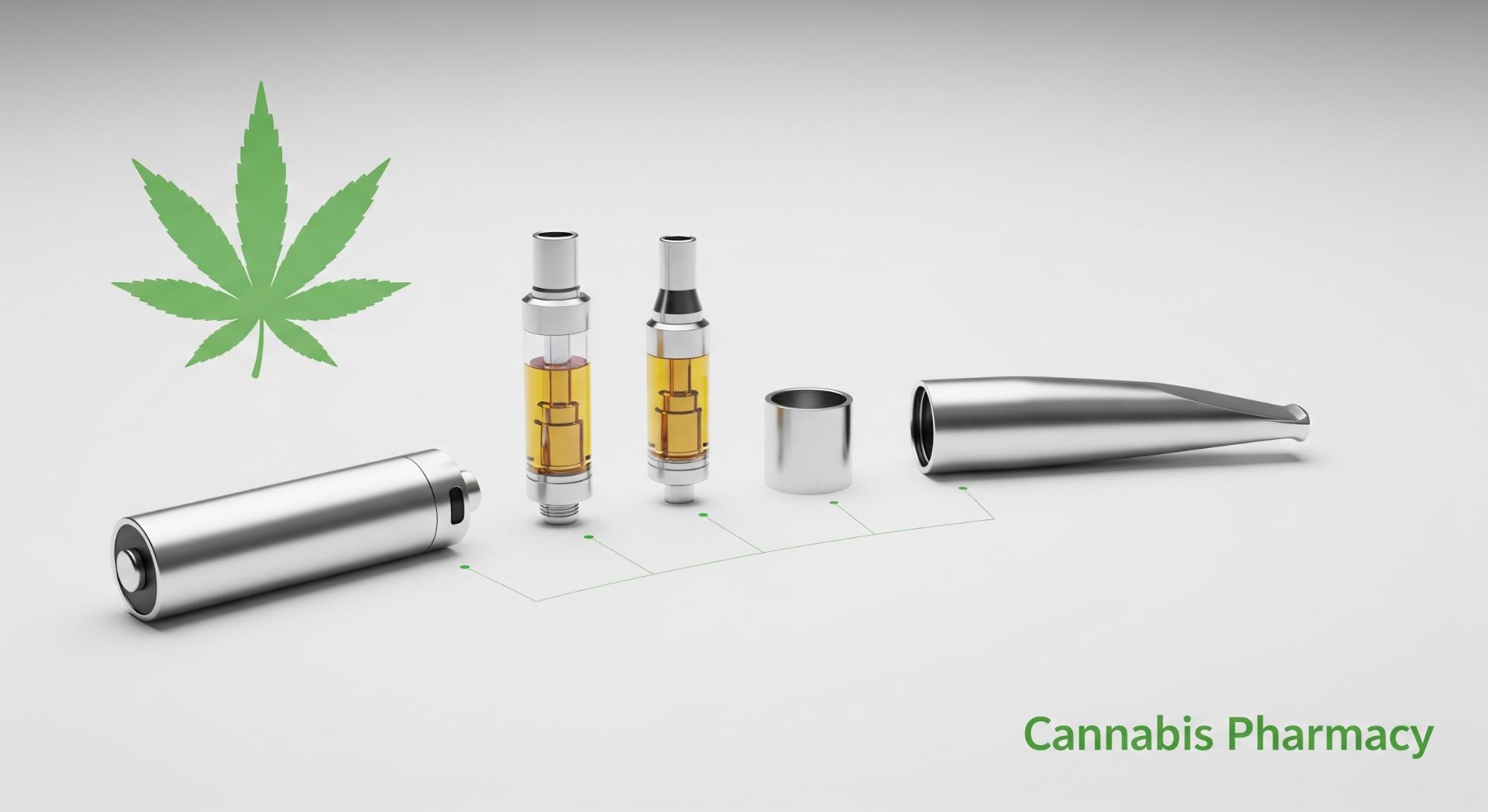
- Core Components: A weed pen consists of four main parts: a battery for power, a cartridge or chamber to hold the material, an atomizer to heat it, and a mouthpiece for inhalation.
- Heating Mechanism: The atomizer, typically a ceramic or coil element, heats cannabis oil or flower to a specific temperature, turning the active compounds into an aerosol (vapor) without combustion.
- Types & Formats: Pens come in various forms, including convenient disposables, reusable cartridge-based systems, and refillable devices for oils or dry herbs, each offering different levels of control and maintenance.
- User Experience Factors: The experience may be influenced by factors like battery voltage, airflow design, and the quality of the heating element, which can affect vapor density and flavor.
- Safety and Quality: Sourcing from reputable brands that provide transparent Lab Test Results is crucial for ensuring product purity and device safety.
Unpacking Weed Pen Technology
You’ve seen them everywhere—sleek, discreet, and incredibly portable. But have you ever wondered what’s happening inside that compact device? How does a weed pen transform cannabis concentrate or flower into the vapor you inhale? It’s a fascinating blend of simple electronics and thermal science.
This guide explores the anatomy of a weed pen, breaking down its components and the technology that makes it work. Understanding the mechanics not only satisfies curiosity but also helps users make more informed choices. At Cannabis Pharmacy, we believe education is key to a safe and positive experience, which is why we prioritize transparency about our products and their engineering.
What Exactly Is a Weed Pen?
Before diving into the mechanics, let’s clarify the terminology. “Weed pen,” “vape pen,” and “portable vaporizer” are often used interchangeably to describe a battery-powered device designed for vaporizing cannabis products. They are popular because they tend to be discreet and produce less odor than traditional smoking.
These devices come in several main formats:
- Prefilled Oil Cartridge Pens: The most common type, featuring a disposable cartridge of cannabis oil that screws onto a reusable battery.
- Disposable All-in-Ones: A single-use device where the battery, atomizer, and oil are all contained in one unit. A great example is the Twenty-One THCA/THCP Disposable.
- Refillable Devices: These pens have tanks that users can fill with their own cannabis oils.
- Dry-Herb Vaporizers: A less common pen-style device designed to vaporize raw cannabis flower instead of oil.
Users may prefer pens for their portability and ease of use, making them a convenient option for on-the-go lifestyles.
The Core Components of a Weed Pen
While designs vary, nearly every weed pen is built around four essential parts. Understanding each one helps demystify how weed pens work and what to look for in a quality device.
The Battery: Powering the Experience
The battery is the powerhouse of the pen. It’s typically a rechargeable lithium-ion cell that provides the electricity needed to heat the cannabis material. Batteries come in two main styles:
- Draw-Activated: The device automatically activates when you inhale.
- Button-Activated: You press a button to heat the coil. This style may offer more control, including variable voltage settings that can affect vapor density and flavor.
The Cartridge or Chamber: Holding the Goods
This component contains the cannabis product. For the most popular pens, this is an oil cartridge (often called a “cart”). For devices designed for flower, like some found in our THCA Flower Category, it’s a small chamber. The materials used in the cartridge and its seals can influence performance and may help prevent leaks.
The Atomizer: The Heart of the Pen
The atomizer is the critical heating element. It’s a small component that houses a coil or a ceramic element, which heats up when the battery is activated. The atomizer’s job is to reach a precise temperature that vaporizes the cannabinoids and terpenes without burning them. An even-heating atomizer may reduce the risk of a scorched, unpleasant taste.
The Airflow & Mouthpiece: The Final Path
When you draw on the mouthpiece, air is pulled through the device, passing over the heated atomizer. This airflow picks up the vaporized compounds and delivers them to you. The design of the airflow path and mouthpiece can affect the draw resistance and how smoothly the vapor flows. Condensation can sometimes build up in this area, which is a common reason users report clogs.
How the Technology Comes Together
So, how do these parts of a weed pen create vapor? It’s a simple, elegant sequence:
- Activation: You either press the button or inhale (on a draw-activated device). This sends a signal to the battery to deliver power.
- Heating: The battery sends an electrical current to the atomizer, causing its coil or ceramic element to heat up rapidly.
- Vaporization: The atomizer transfers this heat to the cannabis oil or flower it’s in contact with. This raises the temperature of the material to its vaporization point (typically 350-400°F or 175-205°C), turning the active compounds into a fine aerosol, or vapor.
- Inhalation: As you draw, the airflow pulls this vapor through the mouthpiece for you to inhale.
The experience can differ depending on the ingestion method. Oil pens, like the Tre House THCA Live Rosin Vape, often produce a more concentrated vapor, while dry herb pens may offer a fuller spectrum of flavor from the flower.
Disposable vs. Refillable Pens
Choosing between a disposable and a refillable pen often comes down to personal preference for convenience versus customization.
- Disposable Pens: These are the ultimate in convenience. They come pre-charged and pre-filled, ready to use right out of the box. There’s no maintenance, but they also offer limited to no settings, which may reduce user control over the experience. The Half Bak’d Rosin Blend Sumo Disposable is an example of a high-capacity disposable option.
- Refillable/Reusable Pens: These devices, which use a rechargeable battery and replaceable cartridges, offer more flexibility. Users can switch between different strains or formulas and often have access to features like adjustable temperature. They require a bit more upkeep, such as charging the battery and replacing carts.
Safety & Common User-Reported Issues
A well-made weed pen from a reputable source should be a reliable device. However, users sometimes report common issues. Clogging, for example, may occur when oil condensation collects in the mouthpiece or airflow path. Weak hits could be a sign of a low battery or an issue with the connection between the battery and cartridge.
For optimal performance, many users suggest storing pens upright in a cool, dark place. This may help prevent leaks and preserve the quality of the oil. Most importantly, always choose products from brands that value transparency. Checking for available lab results is a great practice for verifying purity and potency. You can learn more by exploring our educational Blog or browsing our diverse range of Top Sellers. Before purchasing, it’s also wise to check the laws in your area by reading guides like “Is THC Legal in My State?.”

The Future of Weed Pen Technology
Weed pen technology is constantly evolving. We’re seeing advancements like smart chips that ensure consistent temperature control, improved ceramic materials for cleaner flavor, and more sustainable designs that incorporate recyclable components. As the market matures, the focus continues to shift toward providing a safer, more reliable, and more enjoyable user experience. You can explore a wide variety of modern THC Vape Pens & Pods in our shop.
Your Path to Informed Choices
From the battery to the atomizer, every component in a weed pen plays a crucial role. Understanding this anatomy—the simple yet effective combination of power, heat, and airflow—demystifies the experience and empowers you to choose products that fit your needs. By prioritizing quality engineering and transparent sourcing, you can better navigate the world of portable vaporizers.
Ready to learn more or have a question about the tech behind our products? Our knowledgeable team is here to help you understand the details. For any inquiries, feel free to Contact us today.
Frequently Asked Questions (FAQs)
Why is my weed pen clogged?
User reports suggest clogging is often caused by condensation and residual oil building up in the air path or mouthpiece. This can sometimes happen if the pen is stored in a cold environment, causing the oil to thicken. Gentle warming of the cartridge (e.g., in your hands) before use may help.
What’s the difference between a draw-activated and button-activated pen?
A draw-activated pen automatically heats up when you inhale from the mouthpiece. A button-activated pen requires you to press and hold a button to heat the coil. Button-activated pens sometimes offer more features, like variable voltage settings for a customized experience.
How long does a disposable weed pen last?
The lifespan of a disposable pen depends on its size (how much oil it contains) and your frequency of use. A 1-gram pen might offer a couple of hundred puffs, but this is a general estimate and can vary widely among users and devices.
Can I put any oil in a refillable vape pen?
It is generally recommended to only use oils specifically designed for vape pens. These oils have the correct viscosity (thickness) to work properly with the pen’s atomizer. Using other oils could damage the coil or result in poor performance.
Why does my vape taste burnt?
A burnt taste usually indicates that the atomizer’s wick is not fully saturated with oil when it heats up, or the temperature is set too high. This can happen when the cartridge is nearly empty or if you take draws too quickly in succession without allowing the wick to re-saturate.
