

 All THCA Flower
 All THCA Pre-Roll








 Spend & Save: Get 10% off orders $100+ | 15% off orders $150% | 20% off orders $200+




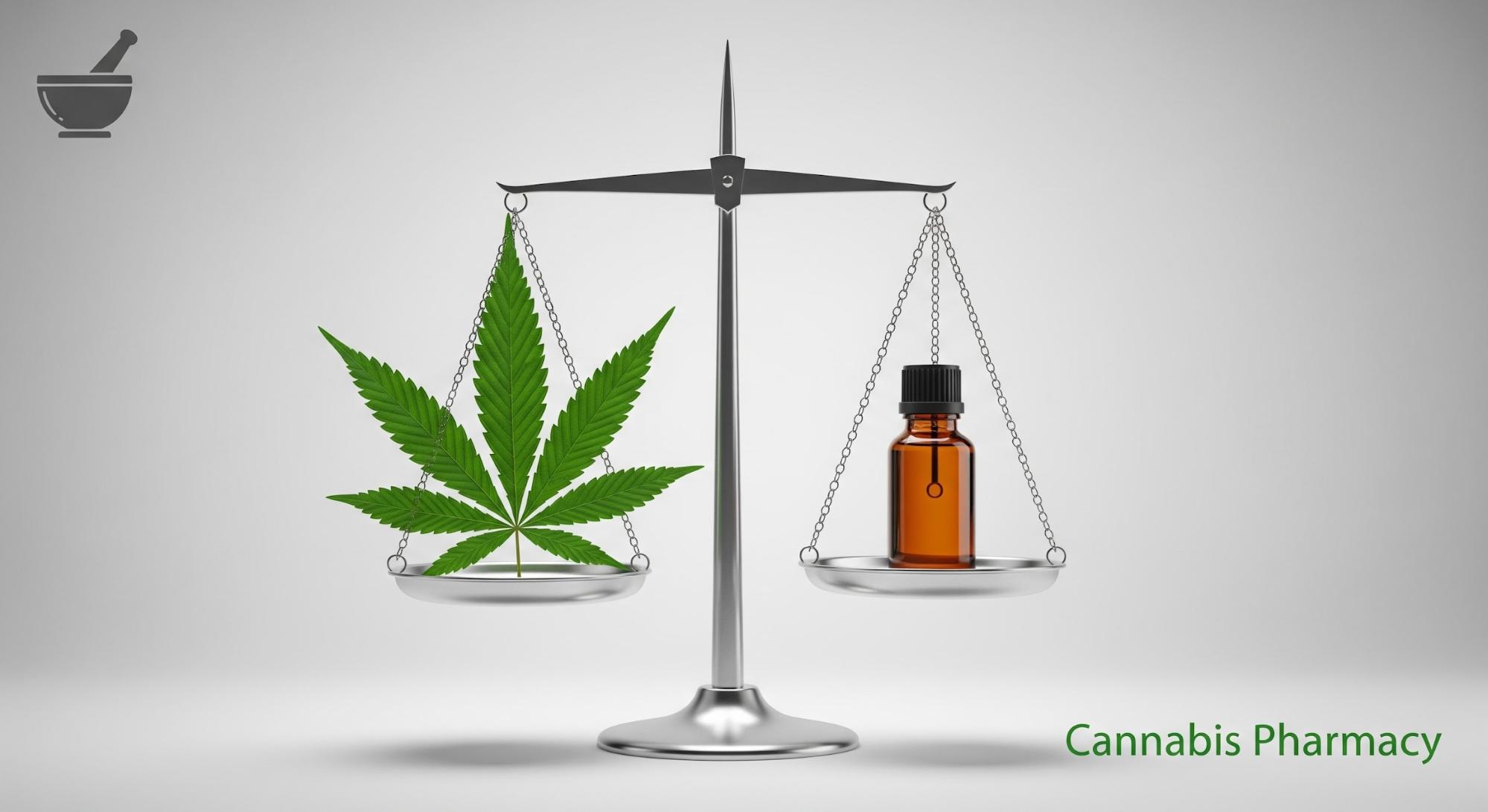
THCA vs. CBD: Which Cannabinoid is Right for You?

Key Takeaways
- Core Difference: THCA (Tetrahydrocannabinolic acid) is the non-psychoactive precursor to THC found in raw cannabis. CBD (Cannabidiol) is a non-psychoactive cannabinoid known for its association with wellness.
- Psychoactivity: In its raw form, THCA is non-psychoactive. It only becomes psychoactive when heated (decarboxylated), converting it into THC. CBD is non-psychoactive and does not produce a “high.”
- Potential Uses: User reports suggest THCA may have anti-inflammatory and neuroprotective properties. CBD is widely used to promote relaxation, manage everyday stress, and support overall well-being.
- Legality: The legal landscape is complex. Hemp-derived CBD is broadly legal under the 2018 Farm Bill, while THCA’s legality often depends on state-specific hemp and cannabis laws.
The world of cannabinoids is vast and constantly expanding, offering exciting new avenues for wellness and personal care. As a leading online THC and CBD seller, we see two compounds generating significant buzz: THCA and CBD. While they both come from the same plant family, their properties and potential applications are remarkably different. For consumers looking to make informed choices, understanding the “THCA vs. CBD” debate is crucial.
This guide will break down everything you need to know, from their chemical origins to how they might fit into your lifestyle. Whether you’re exploring the benefits of non-psychoactive cannabinoids or are curious about the latest products, this comparison will provide the clarity you need.
What is THCA? The Raw Precursor to THC
THCA, or Tetrahydrocannabinolic acid, is a major cannabinoid found in fresh, undried cannabis plants. Think of it as the raw, inactive parent of THC. In its natural state, THCA is non-psychoactive, meaning it won’t produce the euphoric “high” associated with THC.
The magic happens through a process called decarboxylation, which is just a scientific way of saying “adding heat.” When you smoke, vape, or cook raw cannabis, the heat removes an acid carboxyl group from the THCA molecule, converting it into the well-known psychoactive compound, Delta-9 THC. This is why eating raw cannabis flower won’t produce the same effect as using THCA vapes or other heated products. Understanding this fundamental THC vs. THCA difference is key to selecting the right product.
What is CBD? The Wellness Cannabinoid
CBD, or Cannabidiol, is arguably the most famous non-psychoactive cannabinoid. It has become a household name in the wellness industry, praised for its versatility and broad range of applications. Unlike THCA, CBD does not convert into a psychoactive compound with heat. It’s extracted from hemp and cannabis plants and can be found in countless products, from oils and topicals to delicious CBD gummies.
CBD’s popularity stems from its interaction with the body’s endocannabinoid system (ECS), a complex network of receptors that helps regulate functions like sleep, mood, and immune response. Many people turn to CBD to help manage everyday stress, promote a sense of calm, and support recovery after exercise. At Cannabis Pharmacy, we’ve seen firsthand how high-quality, lab-tested CBD products have become a staple in wellness routines.
Key Differences Between THCA and CBD
To make things clearer, let’s break down the main distinctions in a simple table. This cannabinoid comparison highlights what makes each compound unique.
| Feature | THCA (Tetrahydrocannabinolic Acid) | CBD (Cannabidiol) |
| Psychoactivity | Non-psychoactive in its raw form. Becomes psychoactive (THC) when heated. | Non-psychoactive. |
| Primary Source | Raw, unheated cannabis and hemp plants. | Hemp and cannabis plants. |
| Chemical Structure | Contains a carboxylic acid group that is removed with heat. | Does not contain the same acid group and is stable when heated. |
| ECS Interaction | Interacts indirectly with cannabinoid receptors (CB1 and CB2). | Has a broad, indirect influence on the endocannabinoid system. |
| Legal Status | Complex; often regulated under state hemp laws, but can be a legal gray area. | Generally legal if derived from hemp containing less than 0.3% THC. Check our guide on if CBD is legal in your state. |

Potential Benefits of THCA
While research is still emerging, initial studies and user reports suggest that raw THCA may have its own set of potential benefits. It’s important to remember these are based on preliminary findings and anecdotal evidence. Users interested in THCA benefits often report that it could have anti-inflammatory properties, potentially helping with discomfort. Others explore its possible neuroprotective qualities, suggesting it may support brain health. For those who want to experience the effects after decarboxylation, options like THCA flower are popular choices.
Potential Benefits of CBD
CBD’s potential benefits are more widely studied and discussed. Millions of people incorporate it into their daily lives for various reasons. When considering THCA vs. CBD for anxiety, many users report that CBD may help them manage feelings of everyday stress and promote a sense of tranquility. Similarly, for those exploring CBD vs. THCA for sleep, products formulated with CBD and other natural ingredients like our CBD Sleep Gummies are a popular choice for supporting a more restful night. From promoting relaxation to aiding post-workout recovery with cooling topicals, the applications for CBD are extensive.
How to Use THCA and CBD
The versatility of these cannabinoids is reflected in the wide array of products available in our shop.
- THCA: To benefit from THCA in its raw state, some people add fresh cannabis leaves to smoothies or juices. However, most users are interested in its conversion to THC. This is achieved through products that require heating, such as flower, pre-rolls, vapes, and dabs.
- CBD: CBD offers incredible flexibility. It can be taken sublingually as a CBD oil, eaten in the form of edibles or gummies, swallowed as capsules, or applied directly to the skin as a cream. We even offer unique options like CBD-infused honey.
THCA, CBD, and Drug Testing
This is a critical consideration for many individuals. Will THCA show up on a drug test? It’s highly possible. Most standard drug tests screen for THC metabolites. When you consume heated THCA products, your body processes it as THC, which could lead to a positive test result. Even raw THCA could potentially metabolize in a way that flags a test.
Similarly, while CBD itself isn’t what tests look for, full-spectrum CBD products contain trace amounts of THC (less than 0.3%). Depending on the dosage, frequency of use, and individual metabolism, it is possible for this to accumulate and trigger a positive result. If you are subject to drug screenings, it’s wise to exercise caution with all cannabinoid products.
Charting Your Cannabinoid Course
So, which cannabinoid is right for you? The answer depends entirely on your personal wellness goals and preferences.
- Choose CBD if: You are seeking general wellness support without any psychoactive effects. If your goal is to manage everyday stress, promote better sleep, or find a sense of calm, the vast world of CBD products is likely your best starting point. Our line of Green Roads CBD Gummies is a fantastic and reliable option.
- Explore THCA if: You are an experienced user or are curious about the effects of THC after decarboxylation. Products like our own THCA blend gummies are created from converted THCA and offer a different kind of experience.
Ultimately, the journey is yours to discover. We encourage you to read our blog for more information and to always start with a small amount when trying any new product. Our story is built on providing trusted products and clear information to help guide you.
Your Path to Wellness Awaits
Navigating the landscape of cannabinoids like THCA and CBD is about understanding your options and aligning them with your goals. Both compounds offer unique properties, and as the industry evolves, so will our understanding of their potential. At Cannabis Pharmacy, we’re committed to providing high-quality, transparently sourced products backed by accessible lab test results.
When you’re ready to take the next step on your wellness journey, our knowledgeable team is here to help guide you through our curated selection. For a personal consultation and answers to all your questions, give our experts a call today.
Frequently Asked Questions (FAQs)
What is the main difference between THCA and CBD?
The primary difference is psychoactivity. THCA is the non-psychoactive raw form of THC and only becomes psychoactive when heated. CBD is entirely non-psychoactive, regardless of how it’s consumed.
Is THCA stronger than CBD?
“Stronger” depends on the desired effect. If referring to psychoactivity, heated THCA (which becomes THC) is much stronger than CBD, which produces no high. For non-psychoactive wellness purposes, neither is inherently “stronger”; they simply may offer different potential benefits for different individuals.
Will THCA show up on a drug test?
Yes, it is very likely. When heated, THCA converts to THC. Drug tests screen for THC metabolites, so consuming heated THCA products can easily result in a positive test. Even raw THCA carries a risk.
Can I use THCA vs. CBD for pain?
Many users report exploring both cannabinoids for discomfort. Some anecdotal reports suggest THCA’s potential anti-inflammatory properties may be helpful, while many people use CBD products as part of their routine for managing everyday aches and promoting recovery. We cannot make any medical claims, and you should consult a healthcare professional.
Which is better for anxiety, THCA or CBD?
While we cannot give medical advice, many users report that CBD helps them manage feelings of everyday stress and promotes a sense of calm. The effects of heated THCA (THC) on anxiety can vary greatly among individuals; for some, it can be calming, while for others, it might increase anxious feelings.
