

 All THCA Flower
 All THCA Pre-Roll









 Spend & Save: Get 10% off orders $100+ | 15% off orders $150% | 20% off orders $200+




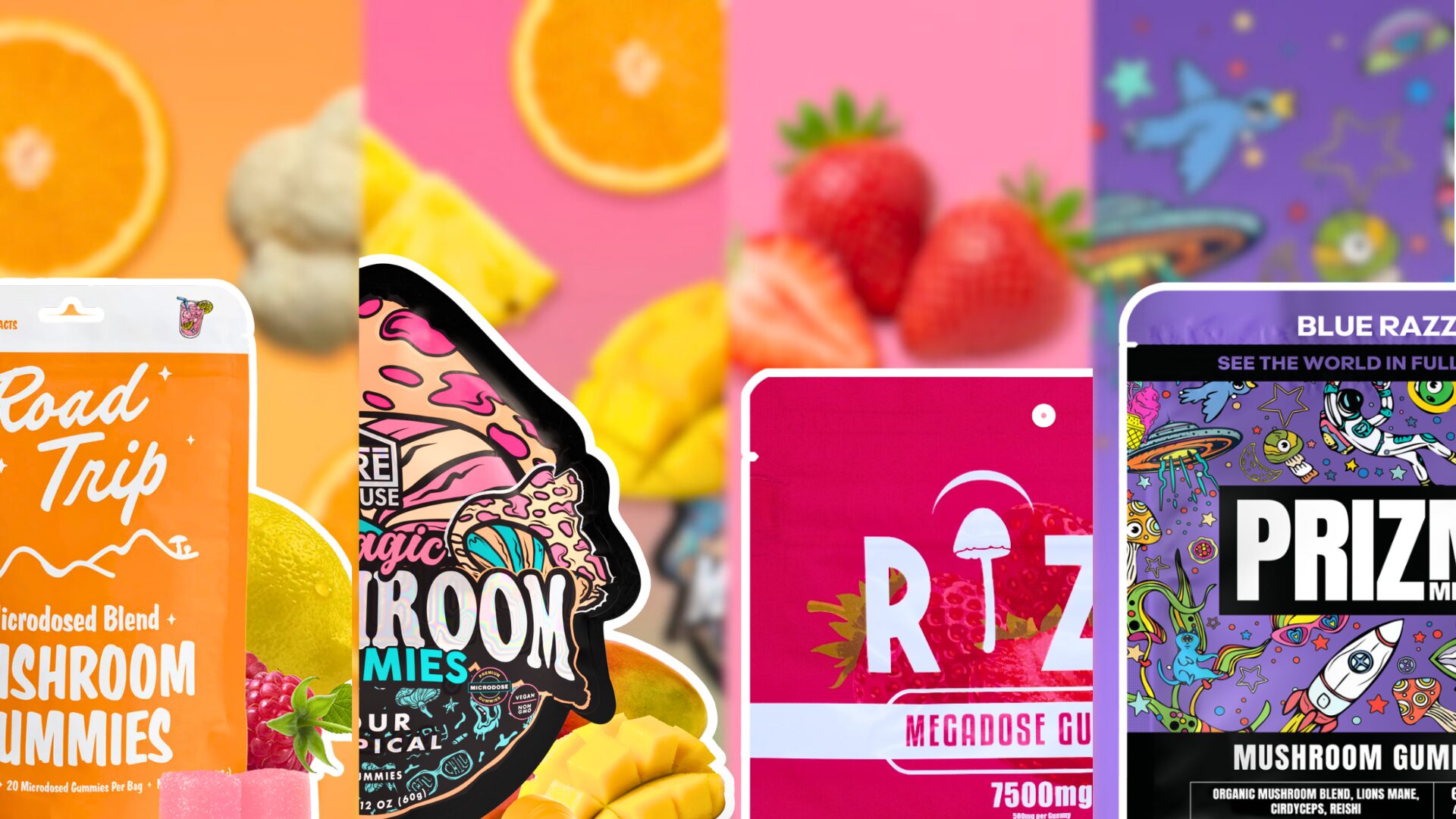
Your Essential Guide to Choosing Safe & High-Quality Mushroom Gummies

Key Takeaways
- Prioritize mushroom gummies with verifiable third-party lab testing for purity and potency.
- Scrutinize ingredient lists for clean, natural components and transparent mushroom sourcing.
- Choose reputable brands known for quality control, clear labeling, and responsible consumer guidance.
- Understand proper dosing suggestions and potential effects before consumption.
- Avoid products that make unverified claims or lack transparent safety information.
The market for mushroom gummies is expanding rapidly, offering a diverse range of products from functional wellness supplements to those with psychotropic properties. As their popularity grows, so does the challenge of navigating a largely unregulated space. Making an informed choice is not just about finding a product that meets your expectations—it’s about ensuring your safety. This guide provides a comprehensive supplement safety checklist, empowering you with the knowledge to select high-quality, safe mushroom gummies from trustworthy sources. We’ll cover the essential criteria, from lab testing and ingredient transparency to identifying reputable brands, so you can make confident and responsible decisions. For a broader overview, you can also consult your complete guide to choosing the best mushroom gummies.
Why Mushroom Gummy Safety is Non-Negotiable
In an industry with minimal oversight, the responsibility for verifying product safety often falls on the consumer. The potential risks associated with untested or mislabeled mushroom gummies are significant and can undermine the entire experience. One of the primary concerns is the presence of contaminants. Without rigorous testing, products could contain harmful substances like heavy metals, pesticides, or mold, which pose serious health risks.
Another critical issue is inaccurate dosing. A mislabeled product might contain a much higher or lower concentration of active compounds than stated, leading to unpredictable effects. This inconsistency can be jarring for any user, but it’s particularly concerning for those new to these products. Furthermore, some manufacturers may use undisclosed ingredients or fillers to cut costs, which could cause allergic reactions or other adverse effects. Understanding the basics of these products is a great first step, as outlined in our guide, what are shroom gummies? The quality of a mushroom gummy directly impacts its safety, predictability, and your overall experience.
The Gold Standard: Third-Party Lab Testing
The single most important factor in determining the safety and quality of mushroom gummies is third-party lab testing. This process involves sending a product sample to an independent laboratory that has no affiliation with the manufacturer. These labs conduct unbiased tests to verify the product’s contents, ensuring what’s on the label is actually what’s in the gummy. This verification is crucial for consumer confidence and is a hallmark of reputable mushroom brands.
Third-party testing primarily assesses two key areas: purity and potency. Purity tests screen for a wide range of potential contaminants, including pesticides, heavy metals, microbial impurities, and residual solvents from the extraction process. Potency tests confirm the concentration of the active compounds, ensuring that each gummy contains the advertised amount. This verification allows for consistent and responsible dosing.
What to Look for in Lab Reports (COAs)
Trustworthy brands make their lab reports, often called Certificates of Analysis (COAs), readily available to customers, usually via a QR code on the packaging or a dedicated page on their website. When reviewing a COA, look for the following key pieces of information:
- Batch Number: Ensure the batch number on the COA matches the one on your product’s packaging. This confirms the report is relevant to the specific product you have.
- Testing Date: A recent date indicates the company performs regular testing on its products.
- Active Compound Profile: The report should clearly list the active compounds and their concentrations, confirming the product’s potency.
- Contaminant Screening: The COA must show results for purity tests, confirming the product passed screenings for heavy metals, pesticides, and other harmful substances.
Ingredient Transparency and Sourcing Matters
Beyond lab testing, a deep dive into the ingredient list offers valuable clues about a product’s quality. High-quality mushroom gummies should be made with clean, natural components. Look for products that use real fruit extracts for flavor and natural sweeteners over artificial additives, high-fructose corn syrup, or synthetic dyes. The transparency of these ingredients is a strong indicator of a brand’s commitment to quality.
Equally important is understanding the source and type of mushrooms used. Reputable brands are open about where their mushrooms come from and how they are grown. This sourcing transparency helps ensure the mushrooms are cultivated in a controlled, clean environment, free from environmental pollutants. Whether the product contains functional mushrooms for wellness or magic mushrooms for a psychedelic experience, knowing the origin is vital for safety. This is a key aspect of mushroom gummy safety considerations.
Decoding Mushroom Extracts and Fillers
The term “mushroom extract” can mean different things. High-quality products typically use extracts derived from the mushroom’s fruiting body, which contains the highest concentration of active compounds. Some products may use mycelium (the root structure), which can be less potent. A transparent brand will specify which part of the mushroom is used. Additionally, be wary of products with long lists of unpronounceable fillers or artificial ingredients. These additives do not contribute to the product’s effectiveness and may detract from its overall quality and safety.
Identifying Reputable Brands and Clear Labeling
A brand’s reputation is built on trust and transparency. When evaluating how to choose mushroom gummies, look for companies with a professional and informative online presence. Reputable brands invest in educating their customers, providing clear guidance on their products, and maintaining responsive customer service. Positive user reports and reviews can also be helpful, but they should be weighed alongside objective quality markers like lab testing.
Clear and comprehensive labeling is non-negotiable. The information on the package should be easy to read and understand, leaving no room for confusion. Vague or misleading labels are a significant red flag. This same principle applies to other edibles as well, such as those detailed in our guide to mushroom chocolate bars.
Essential Label Information for Safe Use
Every safe and legitimate mushroom gummy product should have a label that clearly displays the following information:
- Serving Size Suggestion: Clear instructions on what constitutes a single serving.
- Total Active Content: The amount of active compounds per gummy and per package.
- Full Ingredient List: All components, including active and inactive ingredients.
- Expiration Date: To ensure product freshness and stability.
- Batch Number: For traceability and to match the corresponding COA.
- Manufacturer Information: Contact details or a website for the company.
Responsible Dosing and Understanding Potential Effects
Even with a high-quality product, responsible consumption is key to a safe and positive experience. The golden rule is to “start low and go slow.” Begin with a small dose, especially if you are new to mushroom gummies or trying a new brand. Wait to see how it affects you before considering taking more. Depending on the ingestion method and individual factors like metabolism and tolerance, the onset time and intensity of effects can vary.
It is crucial to read and follow the manufacturer’s serving suggestions printed on the label. While many find these products enjoyable, it’s important to understand what to expect from psychedelic mushroom gummies if you choose that path. Avoid making decisions based on anecdotal stories alone.
What to Consider Before Taking Mushroom Gummies
Before consuming any mushroom gummy, consider your individual sensitivity and prior experience. The environment also plays a role; choose a comfortable and safe setting where you can relax. It is generally advised not to mix mushroom gummies with other substances, such as alcohol, without first consulting a healthcare professional. A cautious and mindful approach will always yield a better and safer outcome.
Avoiding Common Pitfalls and Misleading Claims
As you browse the market, be on the lookout for red flags that can help you identify subpar or potentially unsafe products. One of the most obvious warning signs is a price that seems too good to be true. Quality ingredients and rigorous testing cost money, so extremely cheap products may have cut corners on safety.
Be skeptical of brands that make exaggerated or unsupported claims about their products’ benefits. Trustworthy companies focus on providing accurate information rather than hype. Vague ingredient lists or a complete lack of manufacturer contact information are also serious concerns. If a company isn’t willing to stand behind its product and be transparent, it’s best to look elsewhere. Learning how to identify fraudulent products is a crucial skill, and you can learn more by reading about spotting fake mushroom gummies.
Empowering Your Choice: Quality Standards You Can Trust
Navigating the world of mushroom edibles requires diligence, but it doesn’t have to be overwhelming. By using the criteria outlined in this guide—prioritizing third-party lab tests, demanding ingredient transparency, verifying brand reputation, and practicing responsible dosing—you empower yourself to make safe and informed choices. These quality standards are the foundation of a trustworthy market. Reputable vendors align with these principles because they believe in consumer safety and product integrity. When you’re ready to find a product that meets these high standards, you can shop for quality mushroom gummies with confidence, knowing you have the tools to select the very best. For a deeper look at the entire category, you can also explore our complete guide to mushroom edibles.
Ready to Make an Informed Choice?
Don’t leave your safety to chance. If you have questions about selecting quality mushroom gummies or wish to discuss our product offerings, give us a call.
FAQs
What are the most common dangers of unsafe mushroom gummies?
Answer: The primary dangers include inaccurate dosing, contamination with heavy metals or pesticides, undisclosed ingredients, and inconsistent effects that could lead to an unpredictable or unpleasant experience.
How can I verify if a mushroom gummy brand is truly reputable?
Answer: Look for brands that provide easily accessible third-party lab results (COAs), offer transparent sourcing information, have clear and detailed product labeling, and maintain positive user reports and responsive customer service.
Do “functional” mushroom gummies also require third-party testing?
Answer: Yes, absolutely. While functional mushrooms may not have psychotropic effects, third-party testing is still essential to verify their purity, ensure they are free from contaminants, and confirm the accuracy of their claimed active ingredient concentrations.
What information should I expect to see on a safe mushroom gummy product label?
Answer: A reliable label should include the serving size suggestion, total active compound content per gummy, a full ingredient list, expiration date, batch number, and clear manufacturer contact information for traceability.
Are all mushroom gummies the same?
Answer: No, mushroom gummies vary significantly in terms of the mushroom types used (functional, psychedelic, etc.), active compound concentrations, ingredient quality, and overall safety standards. Always research and prioritize products from transparent, reputable sources.
