

 All THCA Flower
 All THCA Pre-Roll








 Spend & Save: Get 10% off orders $100+ | 15% off orders $150% | 20% off orders $200+




THCP & the Entourage Effect: How Cannabinoids Work


Key Takeaways
- The Entourage Effect: This theory suggests that various cannabis compounds, like cannabinoids and terpenes, may work together synergistically, potentially creating a more nuanced effect than any single compound could alone.
- THCP’s Unique Role: Tetrahydrocannabiphorol (THCP) is a rare cannabinoid structurally similar to THC but with a longer alkyl side chain. In theory, this may allow it to bind differently to receptors, though research is still in its infancy.
- Blends Are Key: The conversation around the entourage effect focuses on products containing multiple cannabinoids. User reports often describe different experiences from blends like THCP + CBD or THCP + THCa compared to isolates.
- Transparency Matters: Understanding what’s in your product is crucial. Always look for third-party Lab Test Results to verify the cannabinoid and terpene profiles before making a choice.
The world of hemp-derived cannabinoids is constantly expanding, moving far beyond just THC and CBD. One of the most talked-about newcomers is THCP (tetrahydrocannabiphorol). While it’s gaining attention, the most interesting conversations aren’t just about THCP in isolation, but how it might participate in a fascinating phenomenon known as the “entourage effect.”
This concept is central to understanding modern cannabis science. It proposes that the many compounds in the hemp plant may work better together than they do alone. This article will explore the science behind the entourage effect, what makes THCP distinct, and how it may interact with other cannabinoids. Our goal is to provide science-forward education, not medical advice, so you can make informed decisions. For more deep dives, you can always explore the Cannabis Pharmacy Blog.
Understanding the Entourage Effect
First coined by researchers in the late 1990s, the “entourage effect” is a theory suggesting that the hundreds of compounds in cannabis—including major cannabinoids, minor cannabinoids like CBG and CBC, and aromatic terpenes—act in concert. The idea is that their combined impact could be greater than the sum of their individual parts.
Think of it like a symphony orchestra. A single violin can play a beautiful melody, but the rich, complex sound of the full orchestra comes from every instrument playing its part in harmony. Similarly, cannabinoids and terpenes may modulate each other’s activity at the body’s endocannabinoid receptors, potentially influencing the overall experience. While much of the evidence comes from early studies and a growing body of user reports, it’s a foundational concept for why full-spectrum and broad-spectrum products are so popular.
What Sets THCP Apart?
So, where does THCP fit into this symphony? THCP is a naturally occurring, yet rare, cannabinoid found in cannabis. Thanks to modern extraction and conversion techniques, it’s now available in hemp-derived products.
What makes it scientifically intriguing is its molecular structure. Compared to Delta-9 THC, THCP has a longer seven-carbon alkyl side chain (THC has a five-carbon chain). This structural difference has led to preclinical data indicating it may have a higher binding affinity for CB1 receptors. It’s important to frame this in a theoretical context—it does not guarantee a specific outcome or “stronger” effect, but it does make THCP a point of interest for formulators creating cannabinoid blends.

THCP in Blends: Exploring Cannabinoid Interactions
The true potential of the entourage effect of THCP is explored when it’s combined with other cannabinoids. Product developers are creating unique formulations to see how these compounds might work together.
THCP + THC/THCa
Many products now feature a combination of THCP with other THC isomers like Delta-9 THC or THCa. User reports often describe the experience as having a different character or nuance compared to THC alone. The theory is that THCP could modify or amplify the overall profile of the blend. Products like the THCa + THCP Disposable (Blueberry Pancakes, Sativa) are crafted around this principle of cannabinoid synergy.
THCP + CBD
CBD (cannabidiol) is famous for being non-intoxicating and is often reported to have a balancing quality. When included in a blend with THC-family cannabinoids, some users feel it modulates the experience, smoothing out the edges. This principle is why many popular edibles are formulated with a specific ratio of THC to CBD. For instance, products like the CBDfx Δ9 Gummies Berry Buzz or the Green Roads Δ9 Gummies Watermelon Punch are designed around this synergistic concept. The theory is that combining these cannabinoids could provide a more well-rounded effect, though experiences are always highly individual.
THCP + Minor Cannabinoids (CBG, CBC)
The frontier of the entourage effect involves minor cannabinoids like Cannabigerol (CBG) and Cannabichromene (CBC). Research into their specific roles is still emerging, but they are increasingly included in full-spectrum blends to create a more comprehensive cannabinoid profile. As we learn more, understanding how they interact with potent cannabinoids like THCP will become even more important.
Formats & Expectations (Non-Prescriptive)
How you consume a cannabinoid blend can also influence the experience. It’s important to remember that, depending on the ingestion method, onset time and duration can vary significantly from person to person.
- Edibles: Products like the Cannabis Pharmacy Δ9 Gummies Assorted 60ct offer measured servings, but typically have a slower onset as they pass through the digestive system.
- Vapes: Inhaled products, such as the Mellow Fellow THCP Vape (Apple Mintz, Indica), may have a much faster onset because the cannabinoids are absorbed directly into the bloodstream through the lungs.
- Tinctures: Held under the tongue, oils like our Apple Kiwi Bliss CBD Oil 750mg may offer an onset time somewhere between edibles and vapes.
Starting with a standard serving and waiting to assess the effects before considering more is a common suggestion among experienced users.
Transparency & Testing: Your Tools for Smart Shopping
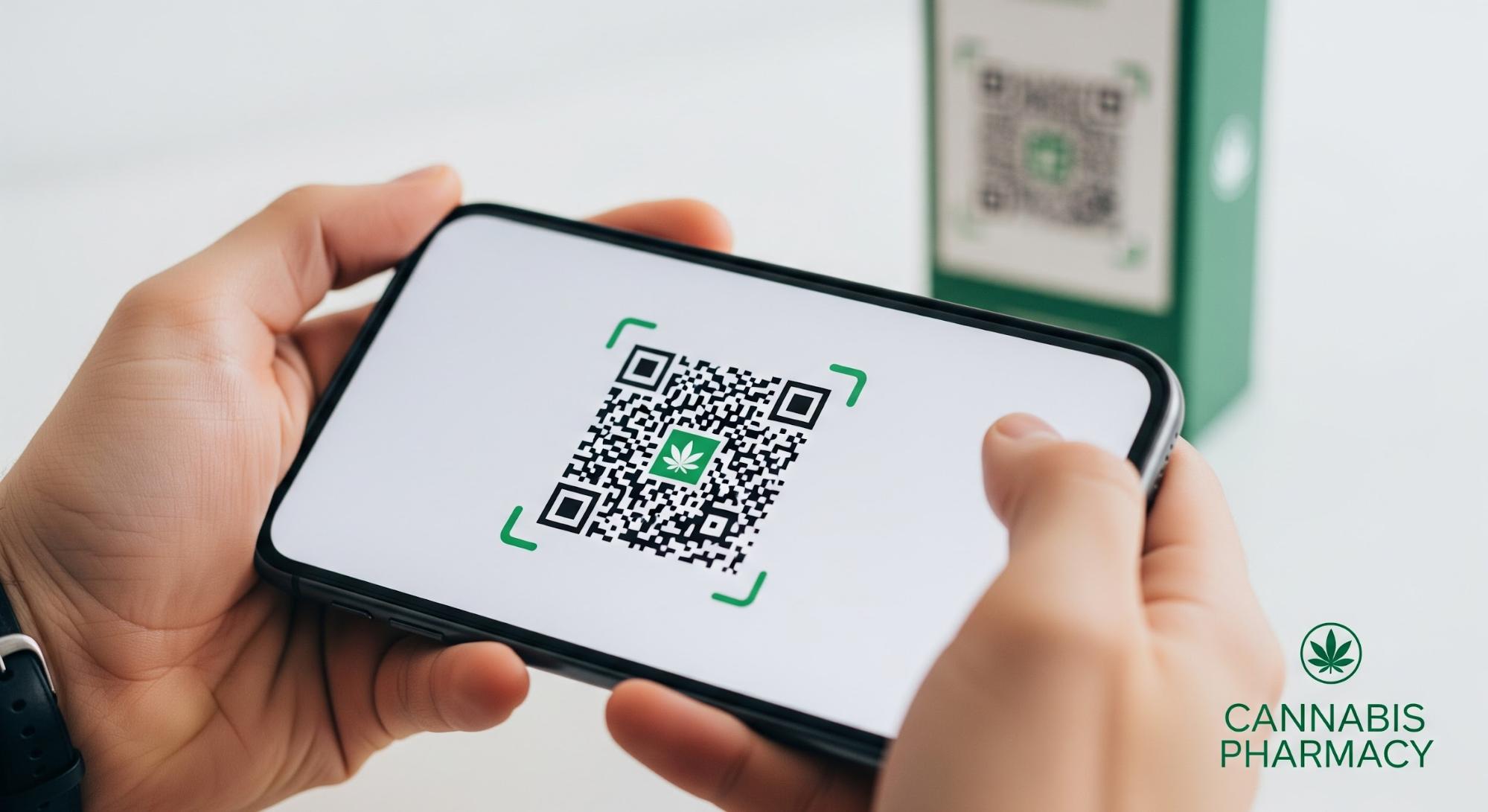
With so many complex blends on the market, transparency is non-negotiable. The only way to truly understand what’s in a product is to read its Certificate of Analysis (COA), which is a report from a third-party lab. At Cannabis Pharmacy, we make our Lab Test Results easily accessible for this very reason.
A COA breaks down the exact cannabinoid profile (how much THCP, CBD, THC, etc., is present), terpene data, and verifies the product is free from harmful contaminants. Reading these reports helps you set realistic expectations and choose products that align with your goals. It also gives you insight into a company’s commitment to quality, which you can learn about in Our Story and by reading customer Reviews.
Before trying any new product, it’s wise to review information about its safety profile. Check out our resource on “Is THCP Safe?” to learn more. Remember that the legal landscape for cannabinoids can vary, so always consult local regulations and our Legal Information page.
Your Path to Informed Exploration
The science of THCP and the entourage effect is an exciting, evolving field. While research is still catching up to the innovations in the market, the core principle remains powerful: cannabinoids may work better together. By prioritizing education, demanding transparency from Our Manufacturer, and reading lab reports, you can navigate this landscape with confidence.
Ready to explore cannabinoid synergy with an educated approach? Our knowledgeable team is here to help you understand the options. Feel free to Contact Us with your questions today.
Frequently Asked Questions (FAQs)
What is the entourage effect in simple terms?
The entourage effect is a theory that suggests all the compounds in the cannabis plant (cannabinoids, terpenes, etc.) work together to produce a more significant and nuanced effect than any one compound could on its own.
Is THCP stronger than THC?
From a molecular standpoint, preclinical data suggest THCP may have a higher binding affinity for certain endocannabinoid receptors than THC due to its longer carbon side chain. However, this does not automatically translate to a universally “stronger” experience, as effects are subjective and depend on the individual, the dose, and the presence of other cannabinoids.
Why are cannabinoid blends so popular?
Cannabinoid blends are popular because they are designed to leverage the entourage effect. By combining different cannabinoids like THCP, THCa, CBD, and CBN, formulators aim to create specific, targeted experiences that a single cannabinoid isolate might not be able to provide.
How can I verify the cannabinoids in a product?
The best way to verify the contents of a product is by reviewing its Certificate of Analysis (COA), or lab test result. Reputable brands make these third-party reports easily accessible, showing the precise potency and profile of all cannabinoids present.
Does the entourage effect apply to all cannabis products?
The entourage effect is most relevant to full-spectrum and broad-spectrum products, which contain a wide range of cannabinoids and terpenes. It does not apply to products made with cannabinoid isolates, which contain only one purified cannabinoid (e.g., pure CBD or pure CBG).
